Accessible Event Planning Guide – 10 Steps

Accessible Event Planning Guide – 10 Steps

At the centre of every event, are the guests. For successful events, keeping the guests at the heart of every event decision is key. This starts with making sure every guest can get there, follow what’s happening, take part, and access the support they need.

Accessible event planning should run through every decision: the venue you choose, the information you send, the food you serve, and the way your team welcomes people on the day. A well-considered plan gives guests confidence in attending and more freedom to enjoy the experience.

There’s still work to do across the industry. In research by The Business of Events and ICC Wales, based on a June 2025 survey of 1,000 recent event attendees, 93% of respondents with visible or non-visible disabilities reported encountering barriers to participation. The Access All Areas report makes a clear case for putting accessibility into the first brief.

Whether you’re organising a conference, company celebration, or client event, here are the considerations to build into your plans.

Is Accessible Event Planning A Legal Requirement?

In England, Scotland, and Wales, the Equality Act 2010 places duties on event organisers and venues acting as service providers to avoid disability discrimination and make reasonable adjustments where disabled people would otherwise face a substantial disadvantage.

Adjustments can involve changing how an event operates, addressing physical barriers, or providing additional aids and services, such as hearing support or information in an accessible format.

Service providers should be anticipating guest needs and support. Organisers should consider likely barriers and plan reasonable adjustments before someone asks for them. What is reasonable depends on the circumstances, including how effective and practical an adjustment would be, its cost, and the resources available. Disabled guests must not be charged for adjustments that the provider is legally required to make. The Equality and Human Rights Commission explains these responsibilities.

For work-related events, employers also have duties to make reasonable adjustments for disabled employees.

Northern Ireland has separate disability discrimination legislation, principally the Disability Discrimination Act 1995.

Agree responsibilities between the organiser, venue, and suppliers early, and record the arrangements so everyone knows what they need to deliver.

Accessibility Looks Different For Everyone

People may have access requirements relating to mobility, dexterity, sight, hearing, learning disabilities, or long-term health conditions. Neurodivergent guests, including autistic people and people with ADHD or dyslexia, may also benefit from adjustments to communication, activities, and the environment.

Some disabilities are non-visible, sometimes described as hidden disabilities. Someone may need a seat, an accessible toilet, or a break from noise without the reason being apparent. Needs can also fluctuate during an event.

Two people with the same condition may need different arrangements. Give people opportunities to explain what works for them, and involve disabled people in planning and reviewing the experience.

Alongside disability access, inclusive event planning should consider faith, culture, and caring responsibilities.

Five Areas Of Accessibility: 

This framework provides a useful way to review your plans with five overlapping areas of accessibility:

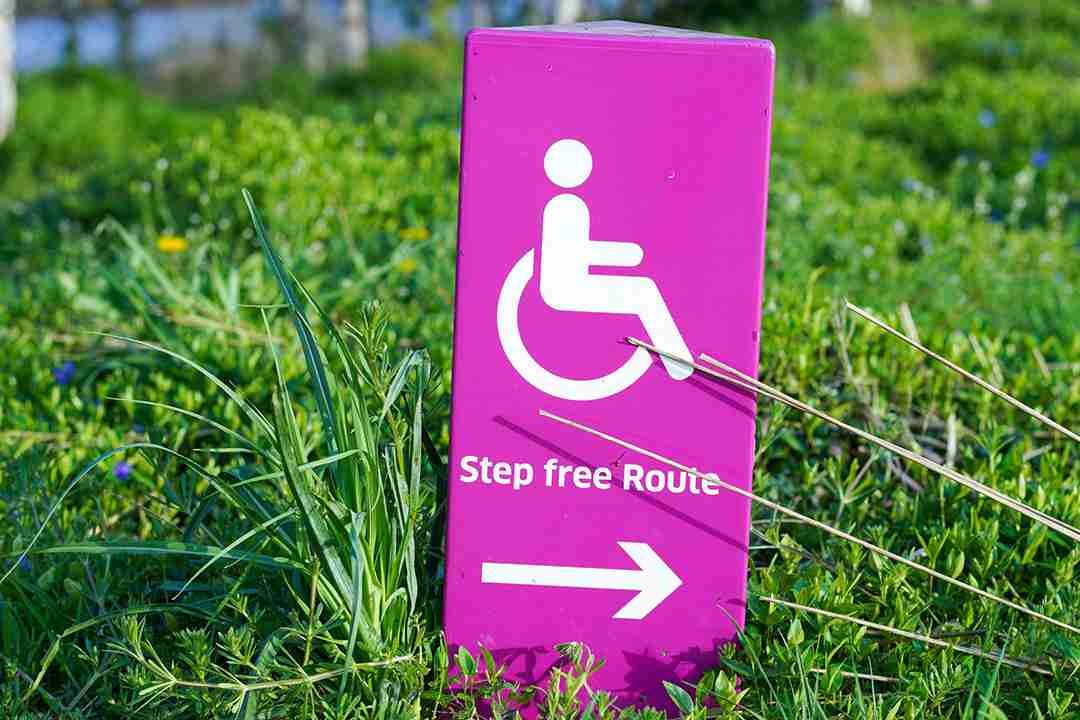
  • Physical accessibility: How people reach, enter, move around, and leave the event. This includes transport, step-free routes, seating, toilets, stage access, and evacuation arrangements.
  • Sensory accessibility: How guests experience sound, light, and visual information. Consider captions, hearing support, audio description, lighting, and spaces with reduced noise and stimulation.
  • Cognitive and communication accessibility: How easily people can understand information and participate. Clear language, readable presentations, predictable schedules, processing time, and different ways to ask questions can help.
  • Digital accessibility: Whether guests can use invitations, registration forms, event websites, apps, and online sessions with their preferred devices and assistive technology.
  • Attitudinal and organisational accessibility: How staff respond and how the event operates. This includes respectful communication, trained teams, flexible procedures, and taking requests seriously without making assumptions about someone’s disability.

These areas provide a starting point for planning. Make sure to keep talking to guests about their individual requirements, including needs that a general checklist like this may miss.

10 Ways To Make Your Event More Inclusive – Event Accessibility

1. Ask about access requirements before the event

Plan common access features from the outset, then use guest responses to arrange individual support. Include an optional access question when guests register, with a named contact for anyone who would prefer a private conversation. A useful starting point is:

“What arrangements would help you take part in this event? Please tell us about any access or communication requirements, or contact our team to discuss them privately.”

Ask about the practical support someone needs. Keep requests for personal information to what is necessary to arrange that support, explain how responses will be used, and share details only with the people who need them.

A pre-event survey gives you time to organise interpreters, seating, transport, or alternative formats. Follow up to confirm the arrangements: submitting a request should lead to a clear response.

Invite speakers, performers, and event staff to share their requirements too. An accessible audience area needs to be matched by accessible stages and working spaces.

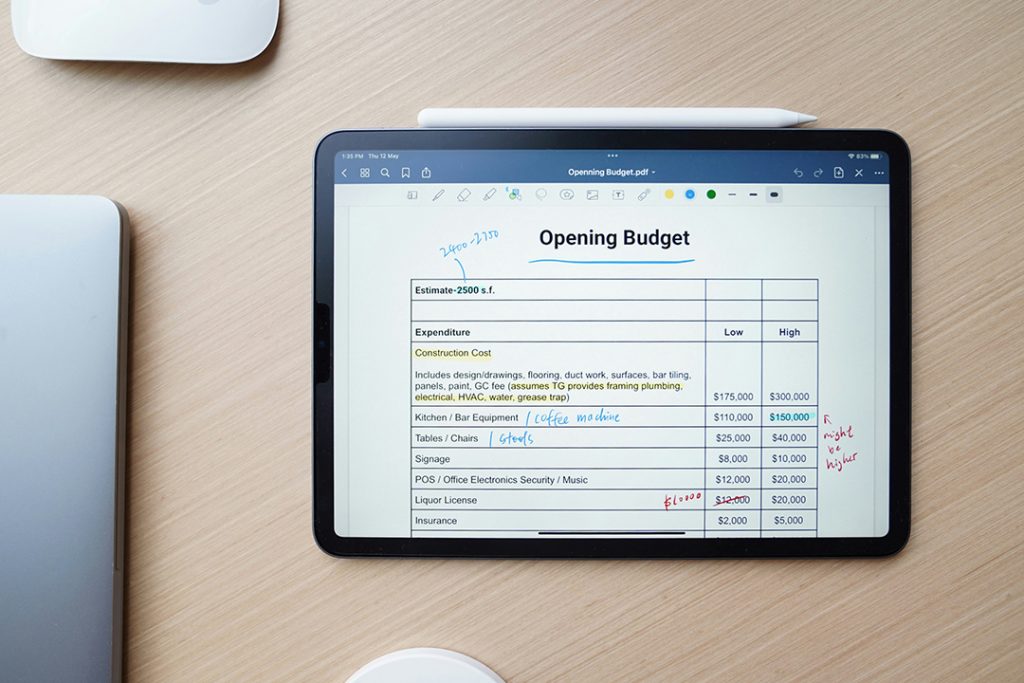
Build a budget for adjustments as soon as you can. Depending on the event, this might include captioning, British Sign Language interpreters, audio description, large print materials, additional rooms, or accessible transport. 

2. Choose the date and shape the agenda carefully

Before confirming a date, check relevant religious observances, school holidays, and major local events. Consider who you’re inviting and whether the timing creates barriers through childcare, caring responsibilities, fasting, worship, or travel.

It won’t always be possible to avoid every clash. Ask your audience where you can, give plenty of notice, and consider flexibility in how people attend.

The event schedule matters as well. An early start may make accessible travel more difficult, while long sessions and tightly packed room changes can leave little time for rest or personal needs.

Build in proper breaks, allow realistic time between sessions, and make it clear that guests can step out and return. Share the agenda beforehand and communicate changes promptly. Scope’s guidance on choosing dates and timings is a useful planning reference.

3. Make the journey and arrival easier to plan

Think about the journey from a guest’s point of view. Check accessible public transport connections, nearby parking, drop-off points, and the route between them and the entrance.

Where relevant, share:

  • Which entrance guests should use and whether it has step-free access
  • Walking distances and any slopes, uneven surfaces, or cobbles
  • Accessible parking arrangements, including whether spaces need reserving
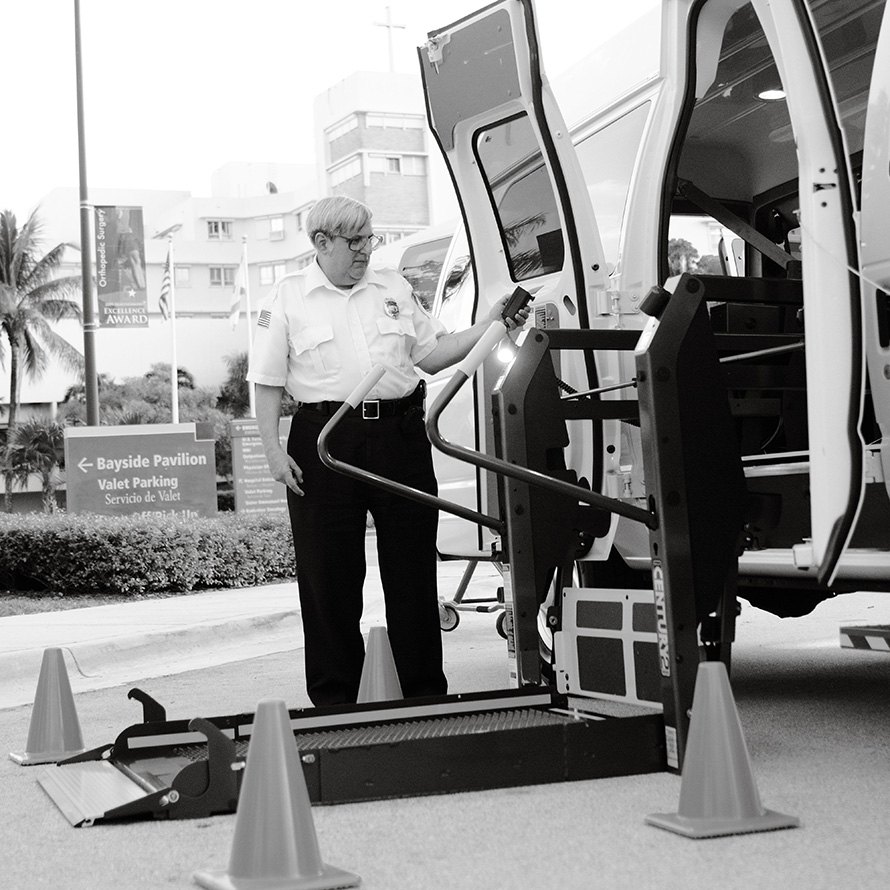
  • Details of accessible transfers and how to request assistance
  • A contact who can help with arrival questions

For residential events, check the specific features of accessible bedrooms and bathrooms, and the routes to dining and meeting spaces.

Accurate information helps people decide what will work for them. In Euan’s Guide’s 2025 Access Survey, 85% of respondents said clear, accurate disabled access information would be the most effective way to reduce the extra time associated with meeting their access needs.

Publish the practical details early, including any limitations, so guests can make informed plans.

4. Check accessibility throughout the venue

A venue visit is the opportunity to test how the proposed event will work. Walk the routes between registration, meeting rooms, catering, toilets, and outdoor areas, with the planned furniture and production layout in mind.

Step-free access and room layouts

Check entrances, ramps, lifts, door widths, turning space, and access between floors. Include stages and presentation areas in the assessment.

Provide seating choices, space for mobility aids, and routes that remain usable when the room is full. Wheelchair users should be able to sit with colleagues or companions. Consider table access and the height of registration desks and catering counters too.

Keep pathways and corridors clear of cables, equipment, bags, and furniture. Recheck them after set-up and throughout the event.

Accessible toilets

Confirm the location, layout, equipment, and availability of accessible toilets. Check that they are usable throughout the event and that emergency alarm cords remain reachable.

Some guests need a Changing Places toilet, with facilities such as an adult changing bench and hoist. Establish whether one is available on site or nearby, and whether that arrangement meets the guest’s needs. Scope’s venue accessibility guidance offers questions to take into your venue discussions.

5. Provide space to pause, rest, and pray

Busy events can involve crowded rooms, unfamiliar surroundings, loud music, and bright lighting. It’s helpful to consider how guests can take a break from that environment.

A clearly signposted quiet room should offer comfortable seating, subdued lighting, and minimal noise. Protect its purpose throughout the event so it remains available when someone needs it.

Review sensory demands in the main event spaces as well. Lower background music where people need to talk, avoid unnecessary flashing effects, and share information about potentially intense sound or lighting beforehand.

Where needed, arrange a suitable prayer or reflection space. Discuss practical requirements with guests and the venue. Quiet rooms and prayer spaces can serve different needs, so plan their use carefully and provide separate spaces where possible.


6. Make presentations, videos, & AV accessible

Accessibility should be part of the speaker brief and the production plan. Agree what will be provided, who is responsible, and how it will be tested.

Hearing support and captions

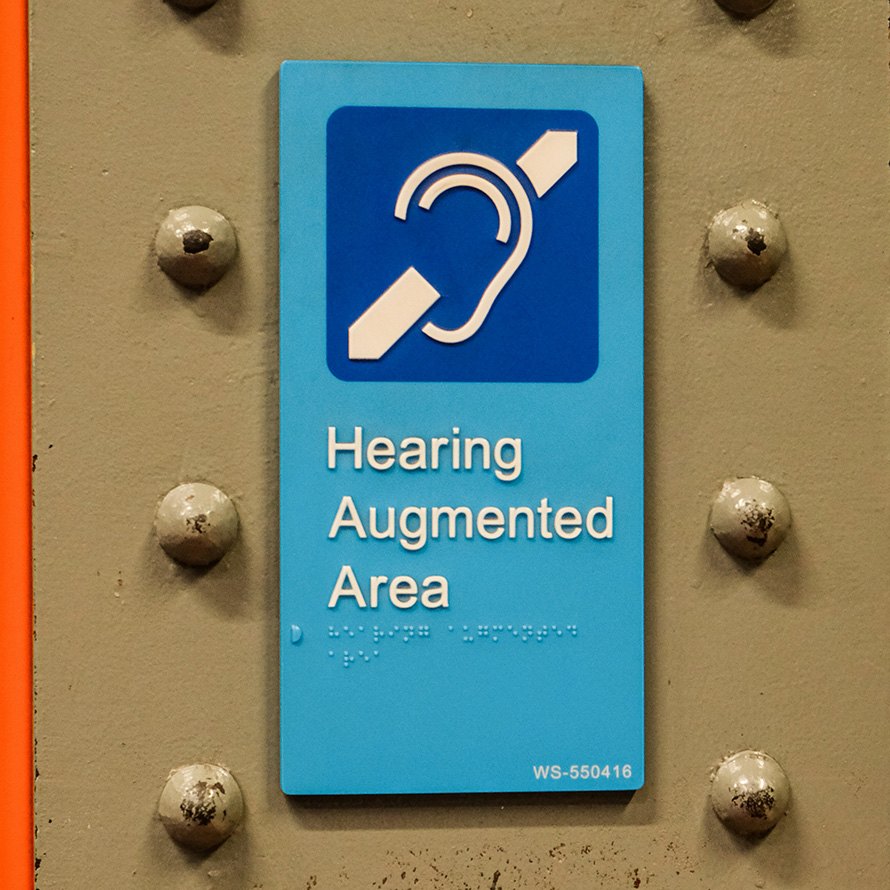
Check the venue’s hearing loop or other assistive listening system with the AV team, including its connection to microphones and video sound. Explain how guests can use it.

Use microphones for speakers and audience questions. Arrange live captioning and qualified BSL interpreters where required, with good lighting and clear sightlines. Allow time to brief interpreters and captioners on names, terminology, and the programme.

Add accurate captions to videos, including meaningful sounds where needed, and review automatically generated captions before showing recorded content. Scope’s equipment and professional support guidance is useful when briefing suppliers.

Clear slides and alternative formats

For dyslexic guests and others who may find dense information difficult to follow, give content room to breathe:

  • Use clear fonts, short sections, and consistent layouts
  • Left-align longer passages and avoid large blocks of capitals or italics
  • Keep text and essential graphics large enough to read from the back
  • Use good contrast and avoid placing text over busy images
  • Share accessible slides or notes in advance where possible
  • Leave time for people to read, process information, and ask questions

The British Dyslexia Association’s resources include a style guide for accessible written information.

Ask presenters to explain important charts, images, and demonstrations aloud. Videos may need audio description when essential information is conveyed visually. Provide accessible digital materials and arrange large print, Easy Read, or other formats according to individual requirements. The government’s accessible presentation guidance provides a helpful starting point.

7. Check digital access, Wi-Fi, and navigation

The guest experience starts with the invitation and registration process. Test forms, event websites, and digital materials for accessibility, including keyboard use and screen reader compatibility.

At the venue, check that Wi-Fi is reliable and the login process is accessible. Guests may need internet access to follow material on their own devices, while remote captioning requires a stable connection.

For larger venues, indoor navigation technology can offer another way to find rooms and facilities. Tools such as BlindSquare can use Bluetooth beacons where a compatible system has been installed. Check the actual venue setup and device requirements before advertising that support.

Offer a personal welcome, orientation, or trained guiding assistance for guests who want it. Always ask how they prefer to be assisted.

For hybrid events, test captions, shared materials, Q&As, and audience participation for remote guests. Provide alternatives when an app, QR code, or interactive activity creates a barrier. The W3C accessible events checklist covers both in-person and online participation.

8. Plan catering around your guests

Ask about food allergies, intolerances, dietary requirements, and relevant religious needs during registration. Confirm specific arrangements with the caterer and the guest, including any preparation or certification requirements for halal or kosher food.

Work with catering teams on clear allergen information, cross-contamination controls, and a reliable process for identifying and serving agreed meals. The Food Standards Agency’s allergen guidance is a useful reference for these discussions.

Consider how food is served as well as what is on the menu. Buffet height, carrying plates, long queues, and standing receptions can all affect access. Offer seating, reachable food and drinks, and assistance where requested.

Provide appealing alcohol-free drinks, keep water available, and consider meal timings for guests who are fasting or who need to eat at particular times. Guests should be able to find their agreed meal discreetly and enjoy it alongside everyone else.

9. Agree emergency arrangements, including PEEPs

Include accessibility in the event’s risk assessment and emergency planning. 

Where an individual needs a Personal Emergency Evacuation Plan (PEEP), develop it with them and the venue. It should reflect their needs, the rooms they will use, and the support available.

Confirm how alarms will be communicated, which escape routes are appropriate, and who is responsible for assistance. Any specialist equipment should be suitable for the agreed plan and operated by trained people. Check any proposed use of lifts against the venue’s evacuation strategy.

The plan must cover the full evacuation, including onward assistance from any refuge. The Home Office’s guidance on means of escape for disabled people provides further detail for venues and responsible teams.

10. Communications before and after the event 

Appoint a clear accessibility contact and make sure the event team knows how to reach them. Brief reception, security, catering, production, and venue staff on the arrangements relevant to their roles.

At registration, offer a discreet check-in: “Is there anything you need from us to help you settle in?” Confirm agreed support without requiring guests to repeat personal information in front of others.

A guest’s needs may change, or they may raise something for the first time on arrival. Give staff a clear route for responding, and keep checking the practical details: clear walkways, working captions, available seating, and usable quiet spaces.

Afterwards, ask whether guests could participate as they wanted and what would improve the experience. Offer accessible ways to respond, record the lessons, and use them when planning the next event. 

Bring Accessibility Into Your Next Event Brief

Good event planning pays attention to how people experience the day. The route to the room, the pace of the programme, and the information available beforehand all contribute to whether someone feels able to take part.

Tell us about the event you’re planning and the requirements you’ve identified. AOK Events can help you from the beginning by exploring venue options and coordinating the practical details with your team, venue, and suppliers.

Share your brief with AOK Events and make accessibility part of the conversation from the start.

hello@aokevents.com | +44 (0)20 8222 8420

Let's do this

Our brilliant team are ready to help

Fill out the form and we’ll be in touch as soon as possible.

By submitting this form, you agree to our Privacy Policy.
This site is protected by reCAPTCHA and the
Google Privacy Policy and Terms of Service apply.