Law conferences have an important job to do. They bring people together to examine changing legislation, share knowledge, develop talent, strengthen client relationships and decide what comes next for a firm. That’s quite a lot to ask of one agenda, especially when the attendees spend much of their working life absorbing complicated information already.
The best legal conferences understand that serious subject matter doesn’t require a serious experience to match. Useful content still needs presence to digest it. Networking needs a little more thought than putting everyone near a coffee machine. The venue, production and speakers should all support the purpose of the day rather than simply filling space around it.
At AOK Events, we plan and deliver conferences for some of the UK’s leading law firms, including most of the Magic Circle. Our clients understandably value discretion. However, what we can share is how successful law conferences work. Here’s everything you need to know.
What Is A Law Conference?
A law conference is an event that brings together legal professionals, clients, business leaders or other relevant experts to share knowledge and discuss issues affecting the profession. Some are public industry events, while others are held privately by individual law firms for their employees, partners or clients.
The format can vary massively. A law firm might host an internal conference to communicate its strategy across international offices, a leadership retreat for partners or a training day focused on one practice area. Client-facing conferences can establish the firm as an authority on a developing issue, while legal technology summits, regulatory updates and graduate events each serve a different audience.
Conferences can also form part of a firm’s approach to learning and development. The Solicitors Regulation Authority requires solicitors to keep their knowledge and skills up to date and address relevant learning needs through its continuing competence requirements. A well-designed conference can create space for that development.
Why Do Law Firms Host Conferences?
For firms with teams split across departments, offices and countries, a conference gives people time in the same room.
A conference might be used to launch a new business strategy, introduce technology, bring partners and future leaders together or help teams understand a major regulatory development. Client conferences allow firms to demonstrate their expertise. They can also strengthen relationships through informed discussion and more relaxed conversations away from day-to-day matters.
The subject matter is evolving quickly with artificial intelligence, cybersecurity, data protection, financial crime, workplace culture and changing client expectations continually reshaping legal practice. Conferences give firms an opportunity to explore those developments in one space.
What Makes A Successful Law Conference?
Start with a clear purpose
Before deciding on a venue or keynote speaker, establish what should be different after the conference. Do delegates need to understand a new strategy? Build stronger relationships across practice areas? Feel more confident using new technology? Leave with practical advice they can apply to their work?
A clear objective makes every later decision easier. It also prevents an agenda that’s too built up. An attention span is still an attention span, after all.
Build confidentiality into the event
Privacy matters at any corporate event, but it can be particularly important when the audience is discussing clients, cases, internal strategy or commercially sensitive developments.
That might mean using a private registration system, carefully controlling access to delegate information and briefing the venue and suppliers on photography or social media restrictions. Presentation files, recordings and post-event materials should have clear access permissions. For closed discussions, organisers may also decide to use the Chatham House Rule or prohibit recording entirely.
These decisions should be made early enough in the process to ensure the venue, technology and communications choices reflect these needs.
Give complex content some space
Legal audiences are obviously capable of engaging with detailed material, but that doesn’t mean the only available formats are lectures and hour-long presentations.
Shorter keynotes can establish the big ideas before panel discussions examine different perspectives. Workshops and practice-area breakouts allow delegates to apply the content to their own roles, while live polling and moderated questions give the audience a genuine part in the conversation.
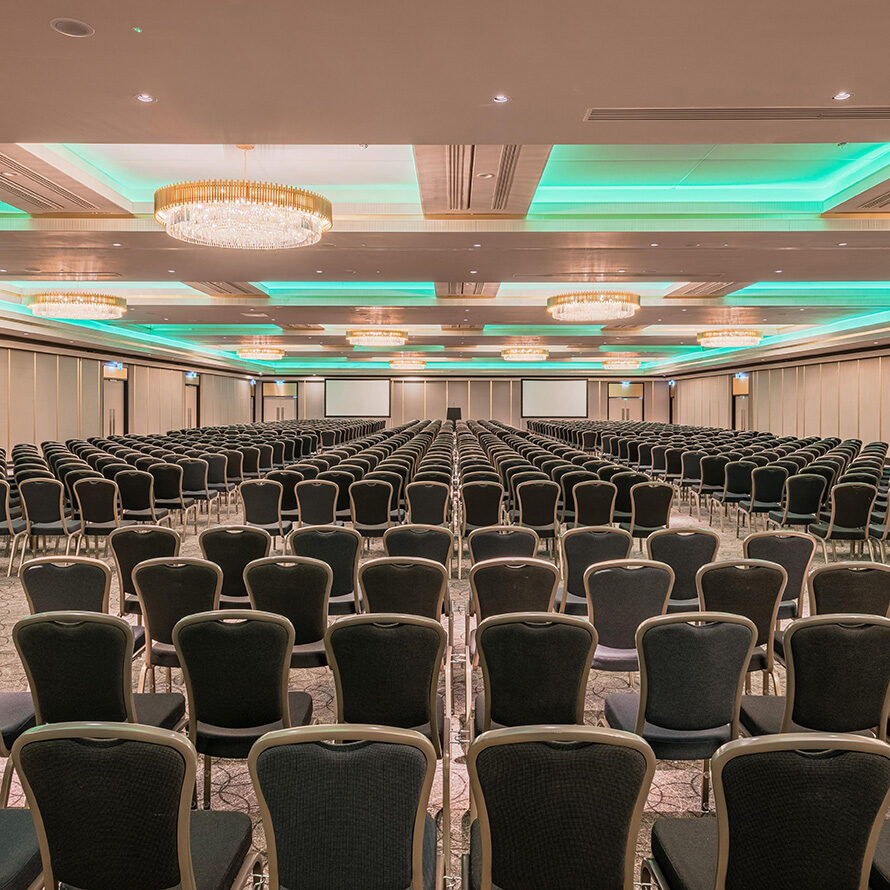
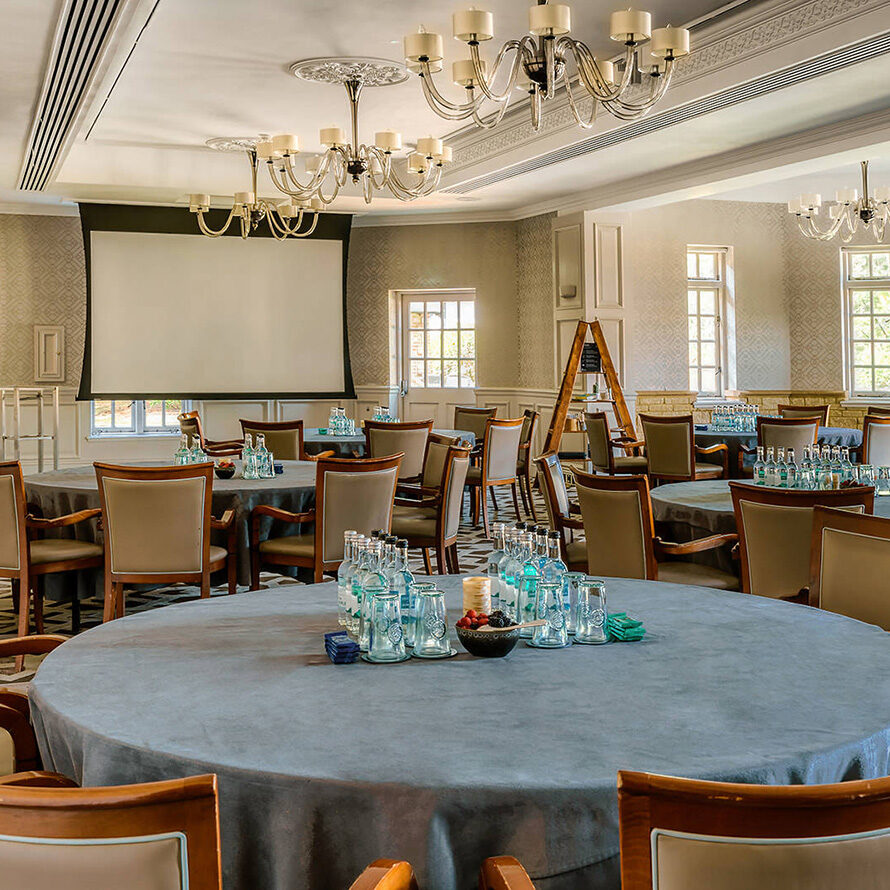
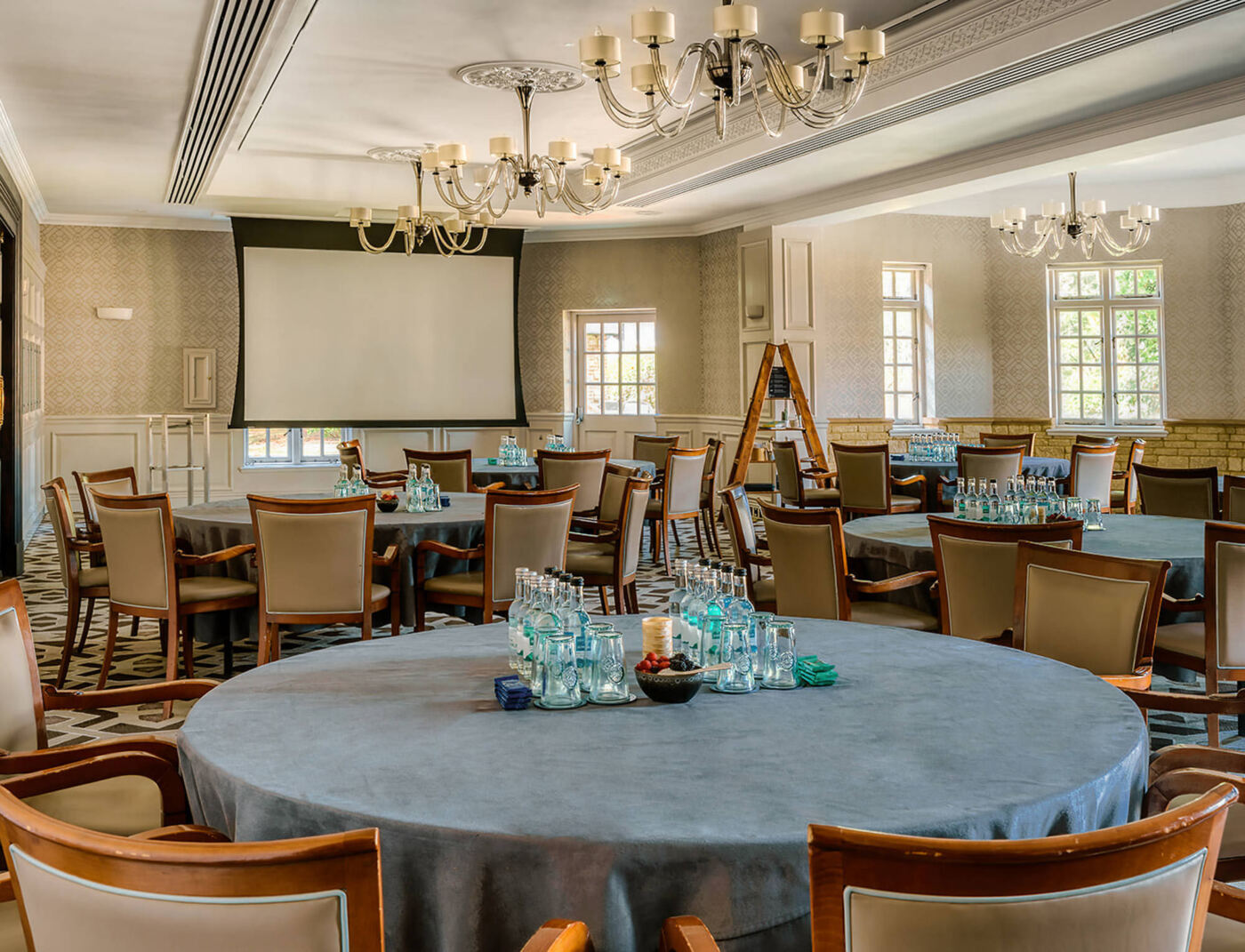
The physical room matters in how the content is digested. Theatre seating may suit a keynote, while cabaret tables can encourage discussion and make it easier to move between listening and working. If the programme includes both, the venue needs enough flexibility to support the change without creating a logistical intermission.
Make networking purposeful
“Networking break” is not an experience in itself. The most productive conversations are usually helped along by extra planning and a few fun details.
For an internal conference, that could mean deliberately mixing offices and practice areas during workshops or meals. At a client event, hosted introductions and topic-led tables can connect people with shared challenges. A private dinner, drinks reception or smaller closing session can give delegates the chance to continue conversations in a more natural setting.
Consider the complete delegate journey
The conference begins before the opening keynote. Registration, travel information, accessibility, accommodation and pre-event communications all shape how delegates arrive.
For international firms, hybrid access, captioning, time zones and remote speakers should really be considered from the start. The programme should also include proper breaks, varied food options, quiet space and enough time to move between sessions. Small details are not always especially glamorous, but they make the biggest difference.
7 Best Law Conference Venues In The UK
Century Club:
Best for intimate conferences with a social side
Century Club works particularly well for leadership conferences, client forums and smaller gatherings that need to feel polished without becoming overly formal. Its collection of stylish rooms allows the day to move between presentations, conversations, dining and drinks with ease.
The private members’ club setting creates a sense of exclusivity while still feeling relaxed. Nobody has to end the day in a windowless function room.