What is Lord’s Doing to be Sustainable?
Solar Panel & Energy Saving
Keeping Lord’s running on a match day, from the floodlights to the food stalls, takes a serious amount of energy. But instead of relying entirely on the grid, Lord’s is turning to the sun.
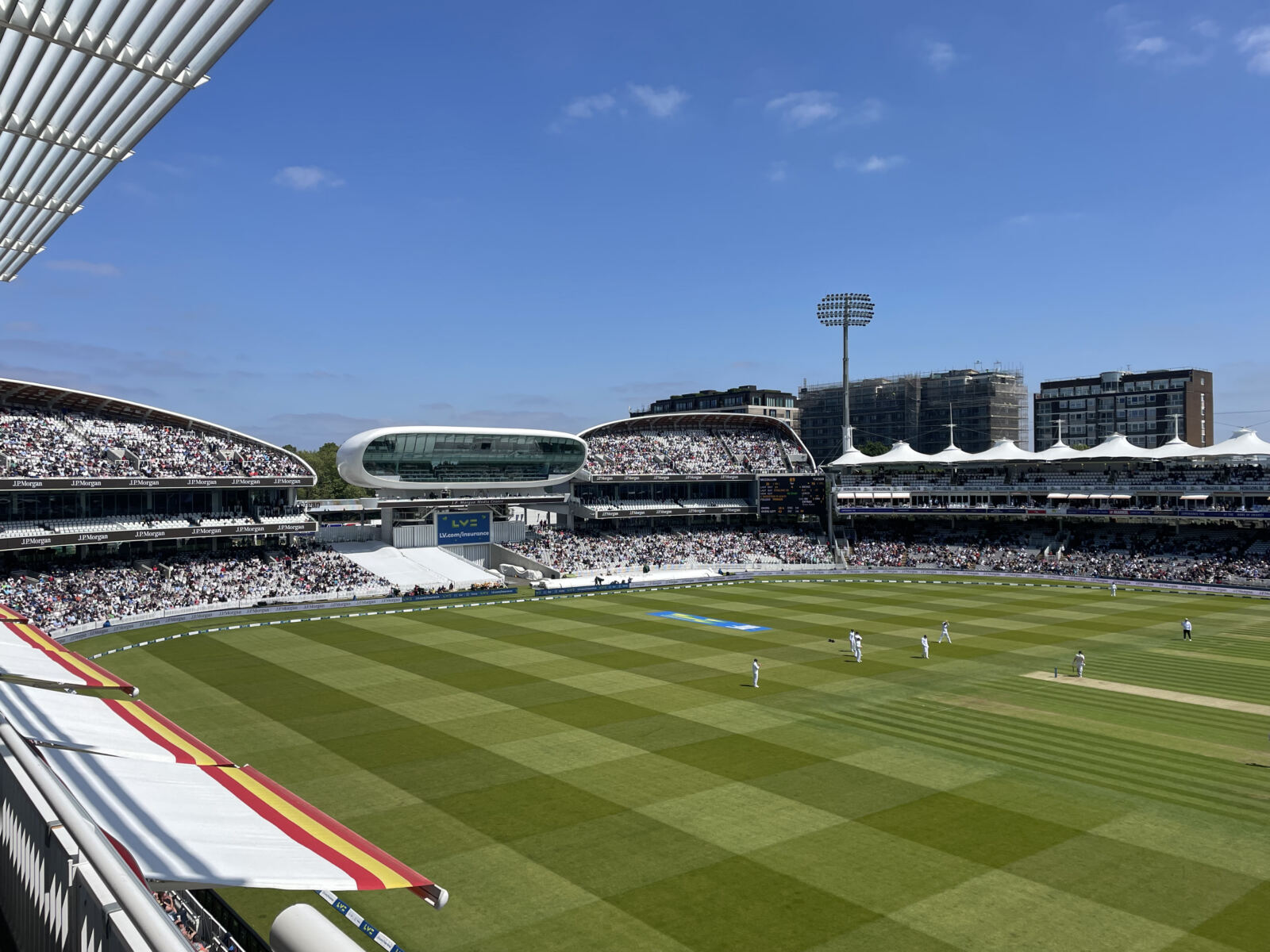
Solar panels have been installed on the roofs of the Compton and Edrich stands, quietly generating clean, renewable electricity throughout the year. These panels help power everything from lighting and screens to day-to-day operations in the ground’s facilities. It’s a smart move that reduces the ground’s reliance on fossil fuels and lowers its overall carbon footprint.
And that’s not the only energy upgrade. Traditional lighting around the ground has been replaced with modern, energy-efficient LED systems. These LEDs use far less power, last longer, and offer better quality lighting, which means clearer visibility for players and fans, and fewer energy bills for the venue.
Smarter Water Use
Maintaining a world-class cricket pitch takes a lot of care and a lot of water. But instead of relying on mains water, Lord’s has found a much smarter (and greener) way to keep the grass looking perfect all season long.
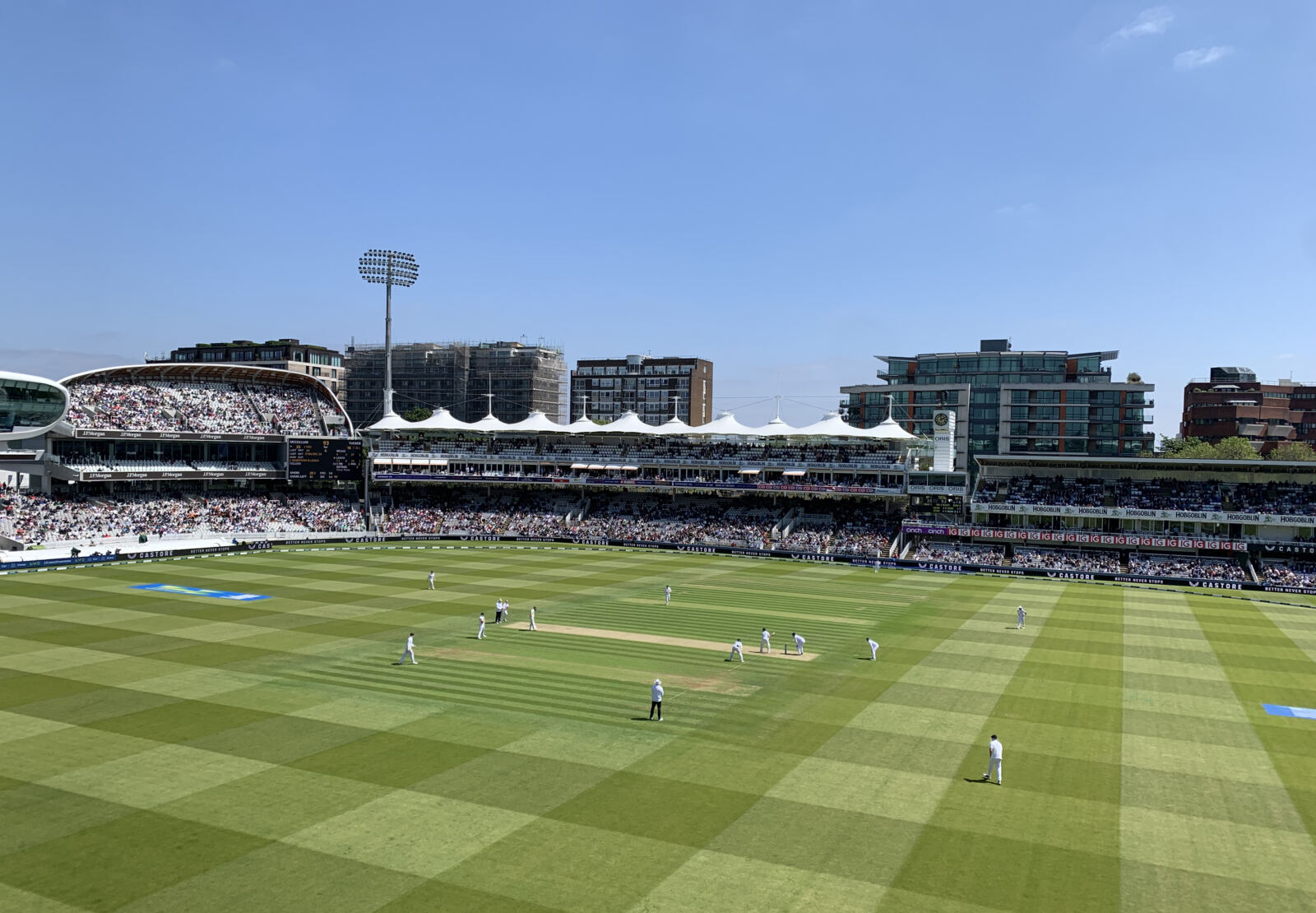
The ground now uses a rainwater harvesting system that collects water from the roofs of the stands and other buildings around the stadium. That water is then stored and reused to irrigate the outfield and square. Not only does this significantly cut down on water waste, but it also helps the ground stay resilient during dry spells or heat waves, which are becoming more common with climate change.
By reusing rainwater, Lord’s is saving thousands of litres that would otherwise come from treated drinking water, a small change with a big impact.
Waste
When you’ve got thousands of fans pouring through the gates on a match day, it’s no surprise that a lot of rubbish gets left behind. But at Lord’s, waste isn’t just something to throw away, it’s something to manage smartly and sustainably.
To get there, Lord’s has put a whole system in place to sort, recycle, and reuse as much as possible. Around the ground, clearly labelled bins help fans separate recyclables, compostables, and general waste. Behind the scenes, the waste is carefully processed to make sure nothing ends up where it shouldn’t.
Food waste from restaurants, hospitality suites, and catering outlets is collected and sent off for composting or anaerobic digestion, a process that turns leftovers into renewable energy and nutrient-rich fertiliser.
Lord’s has introduced a reusable cup scheme for pints and soft drinks, cutting down on single-use plastic. Fans simply pay a small deposit for a cup, return it after the match, and help keep the ground cleaner in the process.
Eco-friendly Food
Lord’s has been putting real thought into what’s on the menu, with a bigger focus on plant-based options and responsible sourcing. Vegetarian and vegan dishes are no longer just an afterthought; they’re front and centre. Think seasonal salads, plant-based burgers, and delicious meat-free meals that go down just as well with a pint in hand.
But it’s not only about what’s being served, it’s also about where it comes from. The catering team works with local and regional suppliers to reduce food miles, meaning fewer emissions from transport and fresher produce on your plate. They’re also prioritising ingredients that are grown or raised in ways that support animal welfare, biodiversity, and soil health.
Even behind the scenes, the focus is on reducing food waste and running kitchens more efficiently, from smart portioning to donating unsold meals where possible.
Cutting Carbon
MCC, the club that owns Lord’s, is keeping a close eye on the ground’s carbon footprint.
Working with environmental experts, they’re collecting detailed data on everything from electricity use and water consumption to transport emissions and catering impact. It’s not the most glamorous side of cricket, but it’s one of the most important, because you can’t improve what you don’t measure.
This kind of tracking allows MCC to spot the areas where they can make the biggest difference. It might mean switching to cleaner suppliers, upgrading equipment to more efficient models, or finding ways to offset unavoidable emissions through verified carbon offset projects. Year by year, they’re setting targets to reduce the ground’s overall environmental impact, and they’re holding themselves accountable.
Local Environment
Take a stroll around the ground and you’ll notice small patches of wildflowers, bee-friendly plants, and native greenery carefully planted in corners and borders. These may look like decorative landscaping, but they’re doing something much more important: supporting urban biodiversity.
In a busy city like London, green space is precious. These carefully chosen plants provide food and shelter for bees, butterflies, and other vital pollinators, helping them survive and thrive. That’s crucial not just for the local ecosystem, but for the bigger picture, pollinators play a huge role in global food production and the health of natural habitats.
Lord’s is also exploring ways to make its landscaping more sustainable overall, using organic methods where possible and choosing plants that are drought-tolerant and well-suited to the local climate. These kinds of choices reduce the need for chemical treatments and heavy watering, while still keeping the grounds looking beautiful.
The Fans
One of the simplest ways to reduce your environmental impact on match day is by choosing greener travel options. Lord’s encourages fans to take public transport, cycle, or walk to the ground whenever possible. With excellent connections via tube, train, and bus, it’s easy to leave the car at home and cut down on emissions.
Once inside the ground, recycling bins are clearly marked and placed throughout the venue to make it easy to dispose of waste properly. Whether it’s plastic bottles, paper, or food packaging, sorting rubbish right at the source helps keep the stadium cleaner and reduces landfill waste.
Lord’s has also teamed up with campaigns like #GoGreenForCricket, which spreads awareness about climate change and promotes sustainable habits across the cricket community, from grassroots clubs to international stadiums. Through social media, on-site signage, and match-day announcements, fans are reminded that every little action counts.
By creating a welcoming environment where sustainability is part of the match day experience, Lord’s is helping fans feel connected to a bigger cause. It’s about building a cricket community that cares not just about the game, but about the planet that makes the game possible.
Lord’s Leading With Purpose
Lord’s might be famous for tradition, but sustainability at Lord’s shows how sports venues can lead the way on climate action. It’s proof that being green and being great at cricket can go hand in hand. So next time you’re at Lord’s, take a moment to appreciate not just the cricket, but the planet-friendly steps happening behind the scenes.