The Guinness Six Nations Rugby Championship is an annual extravaganza that captivates rugby enthusiasts around the world. As the premier rugby tournament in the Northern Hemisphere, it brings together six nations: England, France, Ireland, Italy, Scotland, and Wales, in a fierce battle for supremacy. To fully appreciate the Guinness Six Nations, it’s crucial to understand the rules governing this prestigious competition. Here are the key rules:
TEAMS
The Guinness Six Nations features international teams, each comprised of 15 players on the field at any given time. These players are divided into two main groups: forwards and backs. The forwards, often larger and more physical players, play in the scrums and lineouts, while the backs, known for their speed and agility, handle open play.
SCORING
The primary objective in rugby is to score points! The Guinness Six Nations uses the regular rugby union scoring system:
Try: A team earns five points by grounding the ball in the opponent’s in-goal area. After a try, a team has the opportunity to kick the ball through the goalposts from a designated spot, earning an additional two points.
Penalty Goal: Teams can score three points by successfully kicking a penalty goal following a penalty being awarded
Drop Goal: A drop goal, scored by kicking the ball through the posts in open play, also awards three points.
GAME DURATION
A standard Guinness Six Nations match is divided into two halves, each lasting 40 minutes, with a 10-minute halftime interval. In the event of a tie, the match ends as a draw, except in certain tournament situations where extra time may be played.
DISCIPLINE AND FOULS
Rugby places a strong emphasis on fair play, and various penalties can be awarded for infringements. Common fouls include high tackles, offside play, and scrum infractions. Depending on the severity, penalties may result in a free kick, a penalty kick, or even a yellow or red card, leading to temporary or permanent player expulsion.
The Guinness Six Nations showcases several set pieces that play a pivotal role in shaping the game:
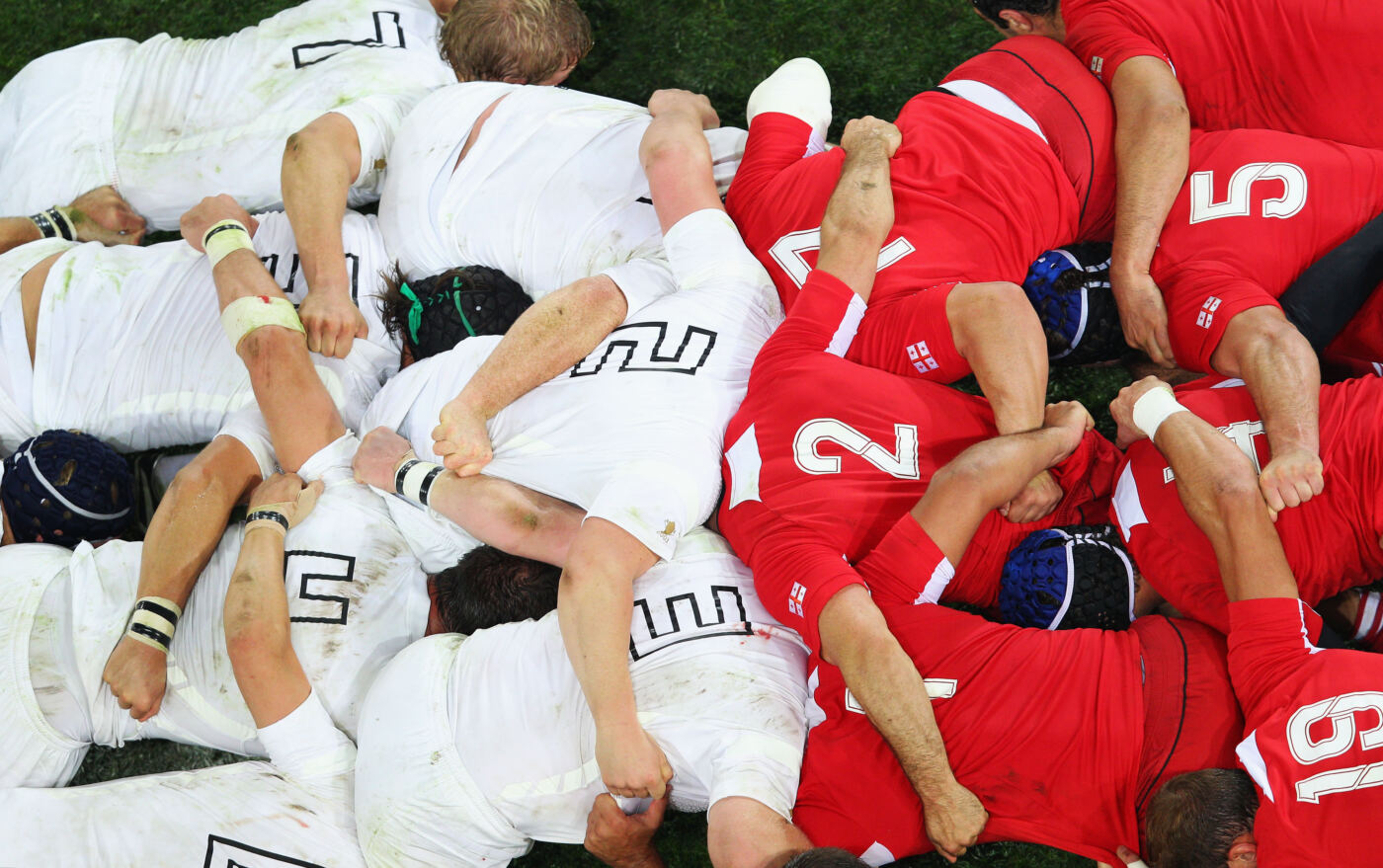
Scrum: A method of restarting play after certain infringements, involving the forwards from each team packing together and contesting for the ball.
Lineout: Used to restart play when the ball goes out of bounds. It involves a throw-in to contested aerial battles between the forwards.